Pompeii — ancient ruins preserved by Vesuvius
03
August 28, 2026  ·  Day 3 Pompeii, Campania  ·  At the foot of Vesuvius

A City Preserved
Mid-Breath

Not as a museum. As a city — streets rutted by carts, walls marked by hands, lives interrupted in an instant and held there ever since.

Scroll
09:15Departure
AD 79Year of the Eruption
11:30Guided Visit Begins
1,000+Victims Found
70 BCAmphitheatre Built
19:30Dinner

How the Day
Unfolds

  • 08:30
    Breakfast at Seven OaksThe same calm rhythm that opens every morning — pastries, fruit, espresso, warm conversation.
  • 09:15
    DepartureSmall executive vans depart for Pompeii — approximately two hours through the landscapes of southern Italy.
  • 11:15
    Arrival at PompeiiEntering through the ancient gates of a city that has been waiting nearly 2,000 years.
  • 11:30
    Guided Visit — Principal SitesThe Forum, the market, the amphitheatre, the residences. A guided tour that illuminates the city in scenes, not just facts.
  • 13:30
    LunchIn the Vesuvian area — time to reflect, refuel, and let the morning settle.
  • 15:00
    Scenic Return to MoliseThe landscape changes as the Campanian coast gives way to the hills. A gradual, beautiful re-entry into the quiet of Seven Oaks.
  • 18:45
    Arrival at Seven OaksTime to shower, rest, and sit quietly with a glass of wine as the countryside softens toward evening.
  • 19:30
    DinnerThe artisanal character of the region on the table — each element prepared on site, celebrating local tradition and the pleasure of sharing.

Not Ancient History.
Interrupted Life.

There is a particular kind of encounter that travel occasionally delivers — not the satisfaction of having seen a famous place, but the quiet disorientation of having felt it. Pompeii is one of those places. You arrive expecting a ruin. What you find is something closer to an echo.

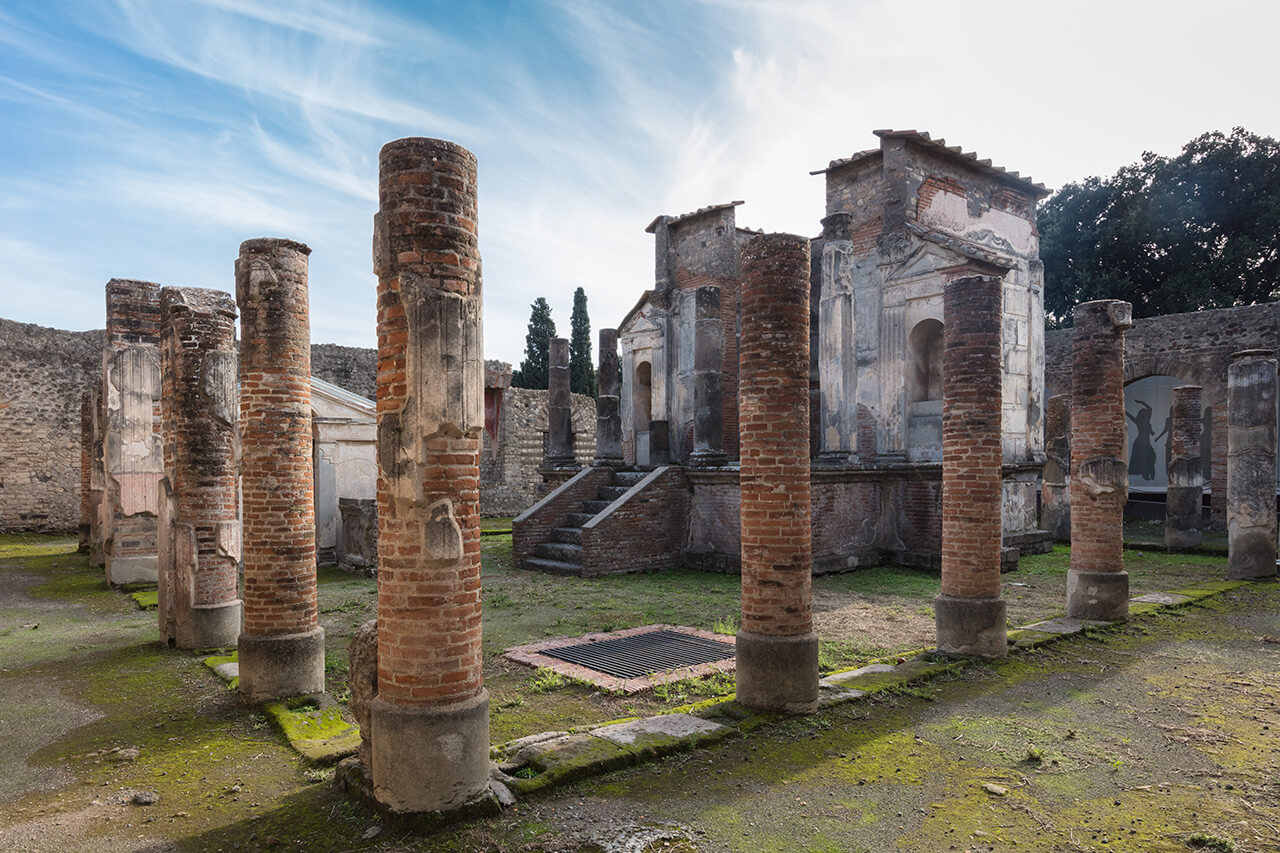
The streets are deeply rutted from carts that haven't passed in two millennia. Stepping stones still cross the roadways. Storefronts and bakeries sit open to the light as if the shutters might be pulled down again at any moment. Walls carry graffiti — small, human notes that collapse the centuries in a single glance.

By evening, back at Seven Oaks as the hills hold the last of the light, you may find the day sitting differently than most. Pompeii has a way of doing that — not with grandeur, but with intimacy.

Pompeii — columns and ruins in morning light

"Streets remain deeply rutted from carts; stepping stones still cross the roadways; storefronts sit open to the light as if the shutters might be pulled down again at any moment."

In AD 79, Vesuvius erupted with devastating speed — and sealed ordinary life under volcanic silence for nearly two thousand years.

What makes Pompeii so affecting is not only its scale, but its intimacy. As your guide leads you through the city's core, Pompeii reveals itself in scenes rather than facts: a market area where trade once moved with the morning; residences designed around courtyards that pulled light and air into private life; frescoed rooms where mythology and household beauty belonged together naturally — not as decoration, but as daily atmosphere.

You may also visit the amphitheatre — built around 70 BC and among the oldest surviving Roman amphitheatres anywhere in the world. It is a reminder that entertainment, civic identity, and spectacle were woven into Roman daily life long before the Colosseum was conceived.
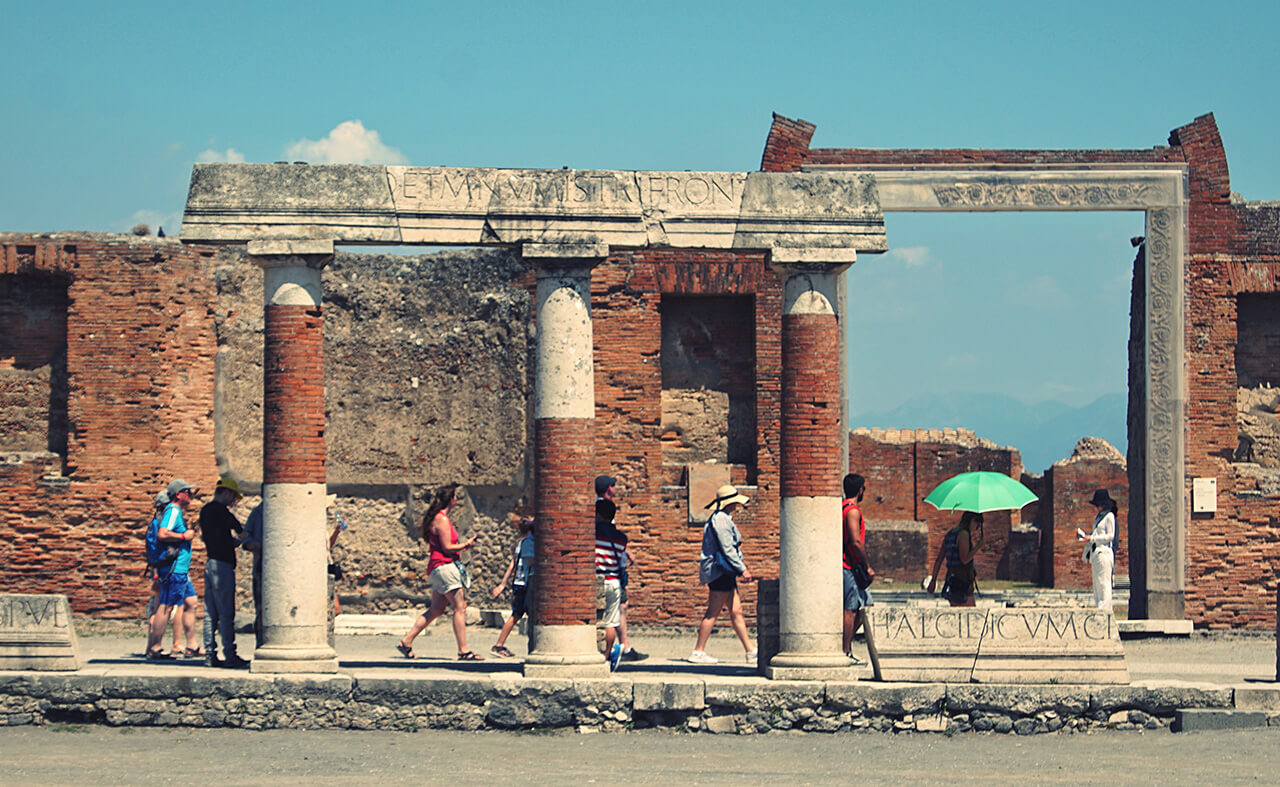
Visitors at Pompeii columns
The Forum — Pompeii
Ancient columns at Pompeii
Columns Frozen in Time
The Moment That Stays With You

Not Sensationalism.
Humanity.

During excavations, the remains of more than a thousand victims have been found at Pompeii. In the 1860s, director Giuseppe Fiorelli developed the method that made Pompeii's tragedy heartbreakingly visible: when bodies decomposed inside compacted ash, they left voids. By filling those cavities with plaster, excavators created casts — capturing people exactly as they were in their final instant.

These forms do not sensationalize the disaster. They humanize it. They remind you that Pompeii was not "ancient history" to those who lived it. It was morning errands, family meals, work, plans — interrupted.

There is a man shielding his face. A dog, curled. A family together. They have been there for nearly two thousand years, and standing before them, the distance between their world and yours — between their Tuesday morning and yours — collapses entirely.

"Pompeii was not 'ancient history' to those who lived it. It was morning errands, family meals, work, plans — interrupted."

— Seven Oaks Italy

After lunch in the Vesuvian area, the return to Molise feels like a gentle re-entry into quiet.

The landscape shifts as the heat of the Campanian coast softens and the road climbs back into the hills. Back at Seven Oaks, there is time to reset — to shower away the dust and heat of the day, to sit with a glass of wine on the terrace as the countryside softens toward evening. The conversation, if it comes, tends to circle back to what was seen. Pompeii has a way of staying in the room.

Seven Oaks in the evening light
Returning Home — Seven Oaks
Dinner at Seven Oaks
Dinner — 19:30

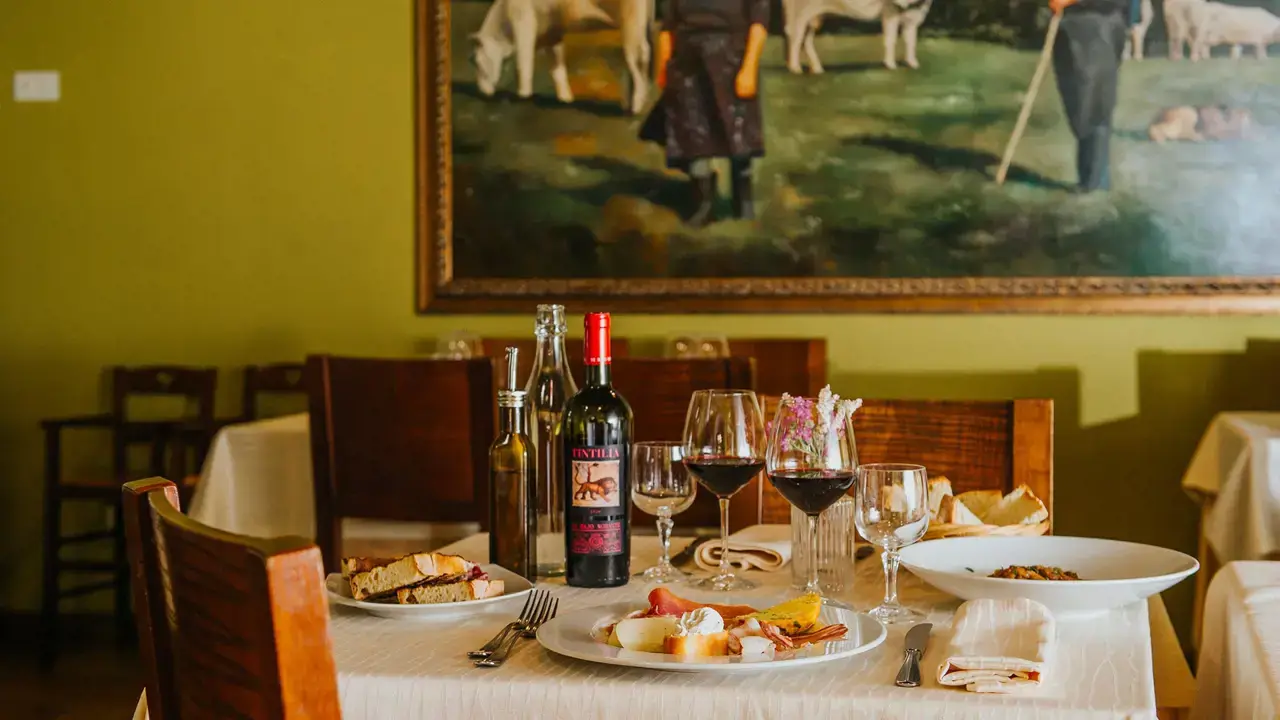
Tonight's dinner reflects the artisanal character of the region — each element prepared on site, with attention to detail.

Local ingredients, traditional methods, and the unhurried pace of a kitchen that takes seriously the idea that a meal should celebrate both place and company. After a day spent in the presence of history's weight, there is something restorative about sitting down to something simple, seasonal, and genuinely good. The table at Le Sette Querce has a way of drawing the day to a close in exactly the right way.

Everything You Need
to Know

👟 What to Wear
  • Comfortable, broken-in walking shoes — the Pompeii site involves extensive walking on ancient stone and uneven cobblestones
  • Light, breathable clothing — August in Pompeii can be very warm
  • A hat and sunscreen are strongly recommended — much of the site is unshaded
  • A small water bottle — staying hydrated in the heat is important
  • Casual, respectful attire — this is a sacred archaeological site
High heels or sandals with thin soles are not suitable for the Pompeii site. Comfort is essential today.
📍 What to Expect
  • The guided visit covers the principal sites — Forum, market area, residences, amphitheatre, and the plaster cast displays
  • The site is large — approximately 2 hours of walking across ancient stone terrain
  • Photography is permitted throughout the site
  • Certain excavation areas may be restricted on the day of visit — our guide will navigate accordingly
  • The site can be warm and exposed — take your time and pace yourself
Entrance fees to Pompeii are included in your Seven Oaks package.
🍽️ Meals Today
  • Breakfast at Seven Oaks — 08:30, included
  • Lunch in the Vesuvian area — approximately 13:30, included
  • Dinner at Seven Oaks — 19:30, included
  • Dietary restrictions notified at booking honoured at all meals
  • Consider a lighter breakfast today — the heat of Pompeii in August can affect appetite
🚐 Logistics & Notes
  • Transfer approximately 2 hours each way — bring reading material or enjoy the landscape
  • All transfers depart promptly — punctuality benefits the entire group's schedule
  • Return to Seven Oaks at approximately 18:45 — approximately 45 minutes before dinner
  • This is an emotionally significant day for many guests — time to reflect after dinner is always available
Tomorrow (Day 4) we visit the Abbey of Montecassino and return for an evening pizza cooking class. Departure again at 09:15.
WhatsAppChat with us